The top three things CEOs need, most Mondays
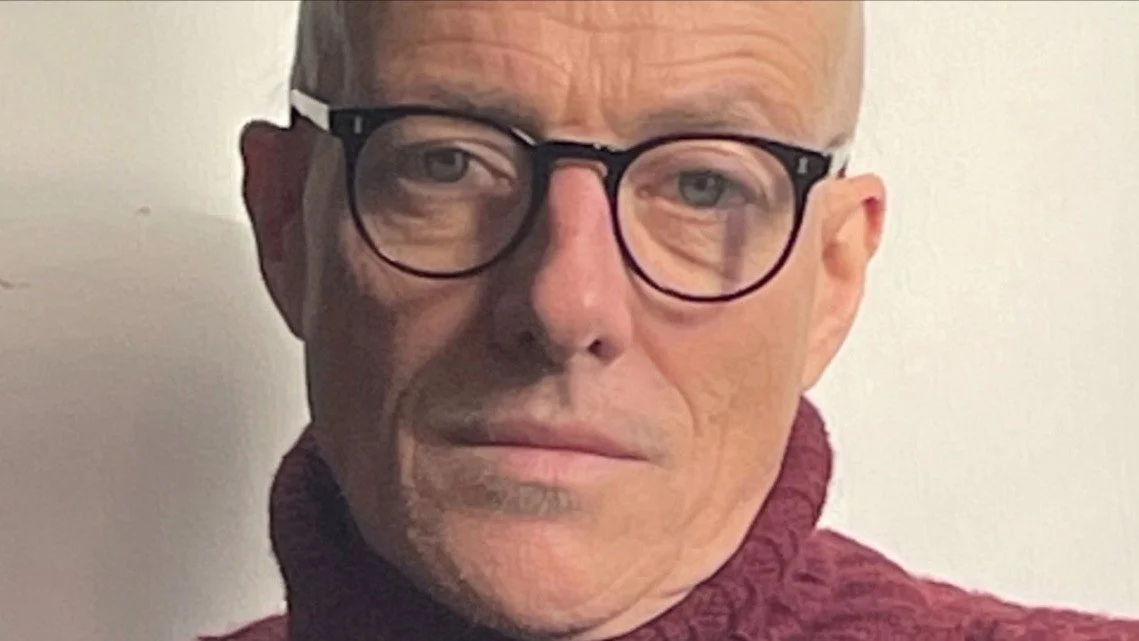
Ciarán Fenton is a leadership consultant and CEO adviser who survived Stage 4 cancer in 2022. What chemotherapy forced him to confront - mortality, acceptance, what actually matters - turned out to be exactly what he says the CEOs he works with need to do, voluntarily, to find peace & joy in their work, before a diagnosis, or other life changing event, makes it compulsory.
What makes CEOs weep
In twenty-plus years advising chief executives and senior leaders, I find that three things sabotage their peace. First, unresolved conflicts — the colleague who doesn't get it, the non-executive director who behaves as if they’re the CEO, the seething gossip on the senior executive team or Board — sleights, real or imagined. These devour time.
Second, meetings that update rather than decide. Some senior executive team and Board members cleave to the lifebelt of reports rather than navigate the choppy waters of decision-making. These endless meetings make CEOs want to cry.
Third — and the most egregious — the absence of a shared purpose, i.e. mutual trust. Not the values listed on the wall in Reception, but the shared reason your organisation exists, the absence of which can kill a business and destroy a CEO.
These are symptoms of relationships under pressure: between the CEO and themselves, between the CEO and members of their senior leadership team and/or of their Board, and between the organisation and the society that licenses it to trade.
Relationships under pressure at moments of change — a new senior leadership team or Board member, a funding round, a first hundred days, a merger, growth pressure — are where I do my best work.
Carpe diem is not a gimmick
Cancer survivors view time differently. That's why I sign off my blog posts to CEOs with carpe diem. It's not a gimmick. It's an invitation — to myself as much as to the CEOs with whom I work — to reframe our days. To be more, rather than to do more. Or what’s the point?
One bleak Sunday morning in 2022, lying in an isolation room following nine months of Nordic Protocol chemotherapy, with no visitors, zero neutrophils, and facing two or three weeks of further isolation and a stem cell transplant ahead of me, I wondered if I would mentally survive it.
I had tried for years to practice the acceptance and surrender espoused by Eckhart Tolle and others and failed. In that room, in desperation, I finally succeeded. I accepted that I had Stage 4 Mantle Cell Lymphoma and surrendered to the treatment. That decision changed me. And it changed how I work.
I now help CEOs find peace and joy, odd as those words may appear in a CEO context — not just on their best days, but on their worst — by reframing four relationships: with themselves, with their senior team, with their Board, and with society, which licenses them to trade but would rather not acknowledge that people get sick and die. The route into all four is the same: becoming the unique leader only you can be.
I call the framework PSB — Purpose, Strategy, Behaviour — and I've been using it for over two decades. The cancer sharpened it. What chemotherapy forces on you — confronting mortality, accepting what you cannot control, finding what actually matters — turns out to be exactly what the best CEOs need to do voluntarily, before a diagnosis makes it compulsory.
My next book
I'm writing a book for CEOs. The working title is Most Mondays for CEOs: How to Find Peace and Joy at Work Most of the Time — Or What's the Point? A high-profile publisher is interested and has asked for sample chapters, which I'm currently writing.
If this article resonates, I work with a small number of CEOs — as a sounding Board, as a facilitator for their senior teams, and occasionally as a speaker. I'm not hard to find.
Carpe diem...
Ciarán X
This article was first published by Ciarán on LinkedIn. Ciarán is a leadership consultant advising CEOs on managing their relationships with themselves, senior leadership teams, boards and stakeholders at times of significant change, in all sectors. For more information, please visit his website: www.ciaranfenton.com